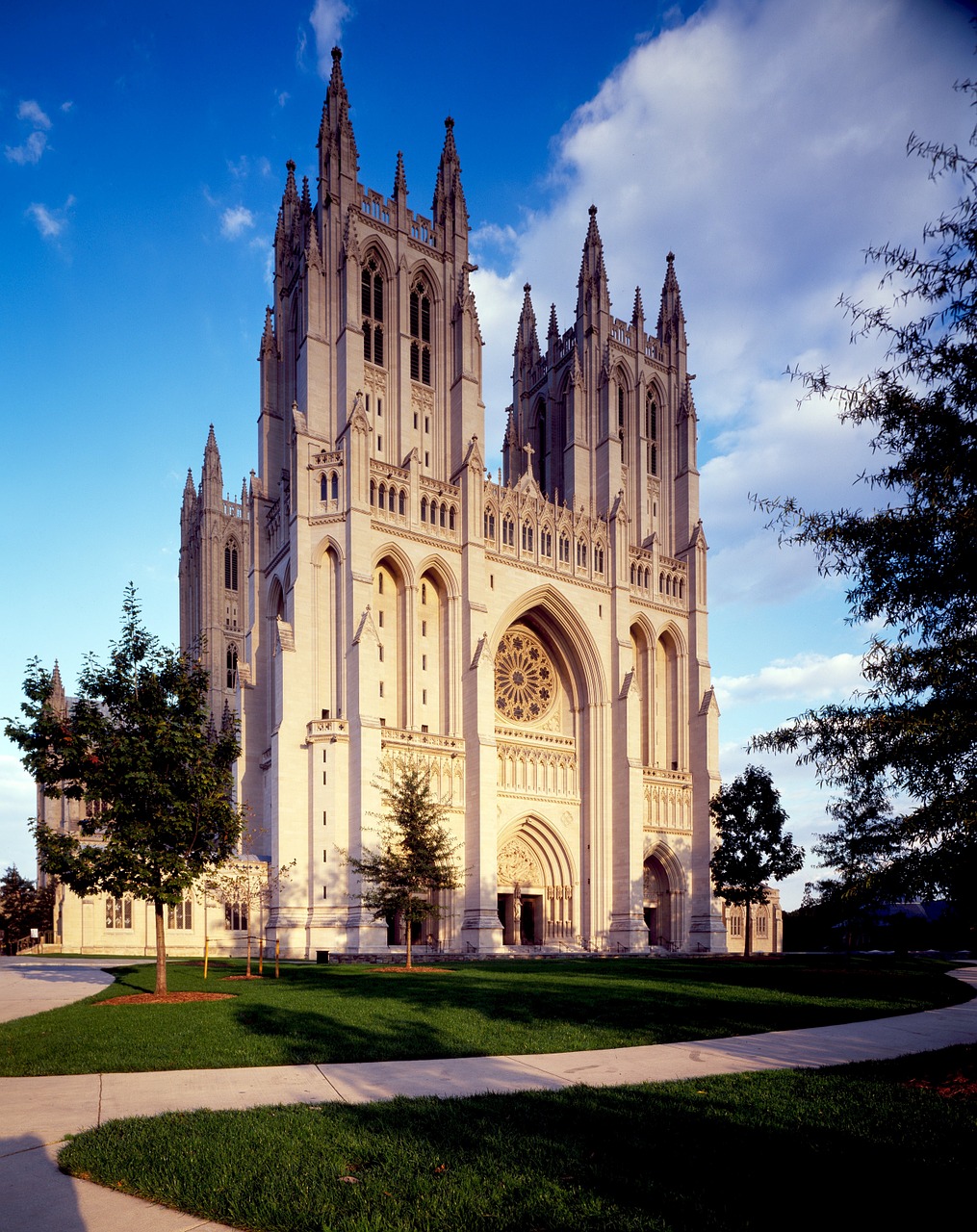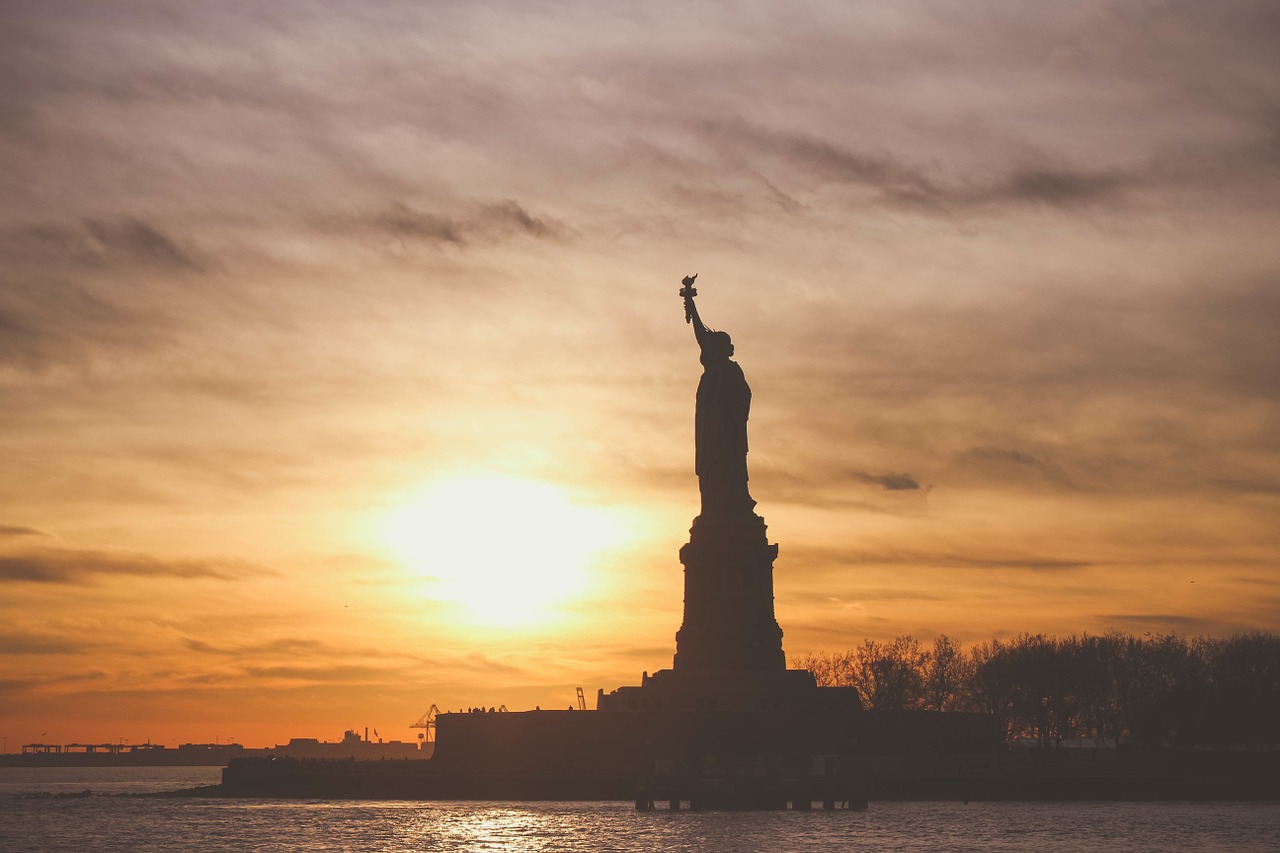
Miami dazzles with sunshine, beaches, and nightlife, but beneath the glitter lies a layered story. The city has lived through waves of cultural change, each leaving marks on its streets, food, and traditions—visitors who focus only on the present miss the richness that history brings. Experiencing Miami’s forgotten eras is about finding the echoes of those stories in the city’s neighborhoods, architecture, and celebrations. It transforms a modern trip into a journey through time.
A Destination That Can Bring You Sun and Fun
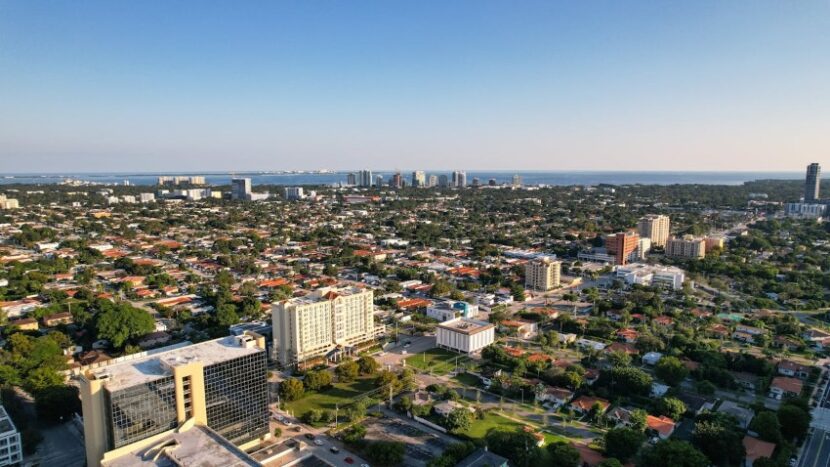
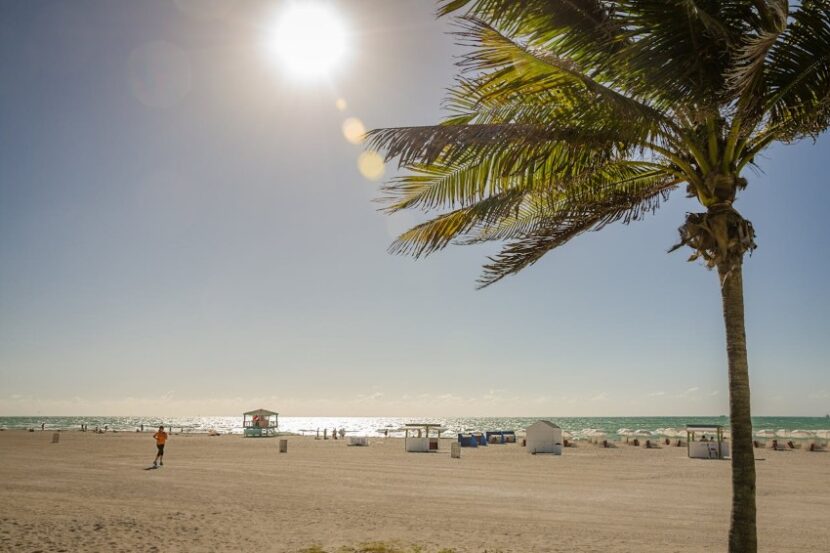
Miami attracts millions with its promise of warm weather, palm trees, and golden beaches. Beyond its surface appeal, it carries layers of depth waiting to be uncovered. As a destination that can bring you sun and fun, it offers relaxation and adventure alongside opportunities to learn about the people and cultures that built the city. Here, leisure and history blend, showing how Miami reinvents itself without losing its roots.
Experience the City’s Creative Side
Creativity is part of Miami’s identity, shaped by decades of cultural exchange. Artists from across Latin America and the Caribbean brought their visions here, and new generations continue that tradition. To experience the city’s creative side, travelers can visit Wynwood, where massive murals transform industrial walls into public canvases. Galleries and cultural centers also highlight both historic and modern voices. This artistic energy carries hints of past eras while showcasing the city’s future.
The Enduring Allure of Art Deco
The Art Deco District in South Beach stands as a reminder of Miami’s glamorous past. Built in the 1920s and 1930s, these pastel-colored buildings reflected the optimism of the time. Their geometric designs, curves, and neon accents still shine, especially at night along Ocean Drive. While Miami has grown taller with modern towers, the Art Deco streets remain timeless, drawing visitors into the elegance of a bygone era.
Beach Destinations with a Story
Miami’s shoreline is more than a stretch of sand. Each beach tells a story of who gathered there and why. Beach destinations such as Virginia Key Beach carry special significance. During segregation, it became a sanctuary for the Black community, a place of celebration and resilience. Today, it welcomes everyone, but its history makes it a powerful reminder of progress and pride. Visitors who pause to learn these stories leave the beach with more than a tan.
Little Havana’s Living History
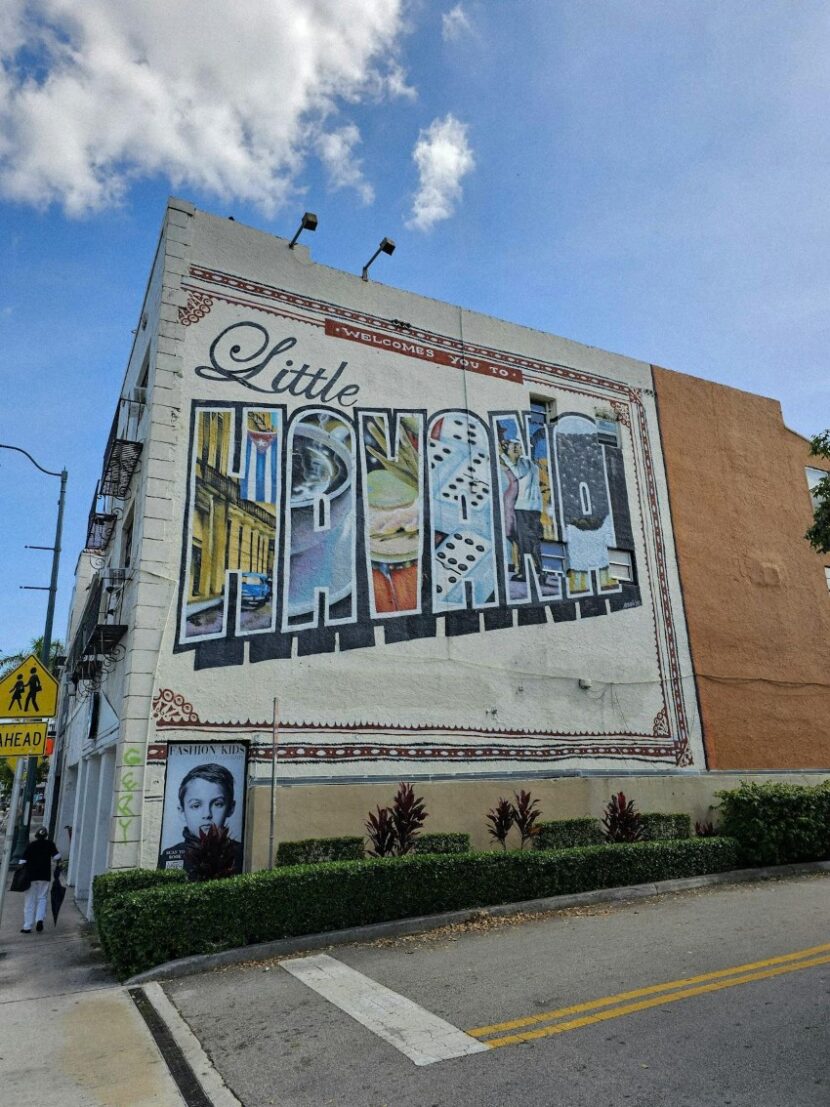
Few places embody Miami’s cultural memory as vividly as Little Havana. This neighborhood became a haven for Cuban immigrants in the mid-20th century. Its streets still hum with music, art, and flavors that tell stories of migration and resilience. Visitors walking down Calle Ocho find coffee counters buzzing with conversation, cigar rollers preserving tradition, and murals that capture shared history. Little Havana proves that heritage lives not in museums but in daily life.
Indigenous Roots and Early Miami
Long before the skyline rose, Miami was home to the Tequesta people. Their presence stretched across the rivers and coasts, shaping early life in the region. Though time and development erased much of their footprint, archaeological sites and museum exhibits ensure their stories are not lost. Exploring History Miami Museum provides insight into these early communities, reminding travelers that Miami’s history begins far earlier than hotels and nightlife.
Coral Gables and Mediterranean Revival
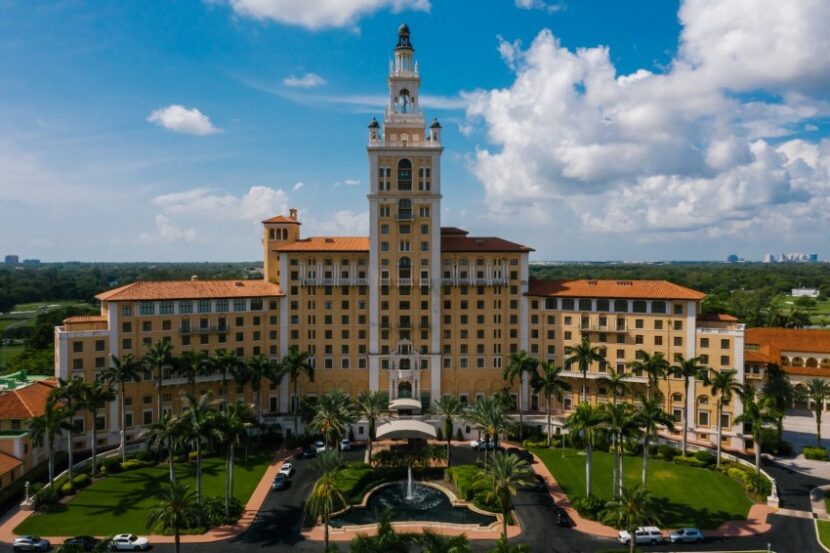
Coral Gables offers another glimpse into Miami’s forgotten eras. Planned by George Merrick in the 1920s, it was envisioned as a city of beauty and order. Mediterranean Revival architecture dominates, with terracotta roofs, graceful archways, and lush courtyards. The Biltmore Hotel remains an icon of this vision, a place that once hosted celebrities and dignitaries. Walking through Coral Gables feels like stepping into another chapter of Miami’s history, where ambition shaped the city’s identity.
Top Places to Visit for College Students
College travelers often look for a balance of affordability, culture, and energy. Miami delivers on all fronts. Top places to visit for college students include Coconut Grove, where students can explore outdoor cafés, historic sites, and a relaxed vibe. Vizcaya Museum and Gardens offers a different experience, transporting visitors into an Italian-inspired estate with tropical flair. These destinations prove that a Miami trip can mix education, culture, and fun in equal measure.
Food as a Gateway to History
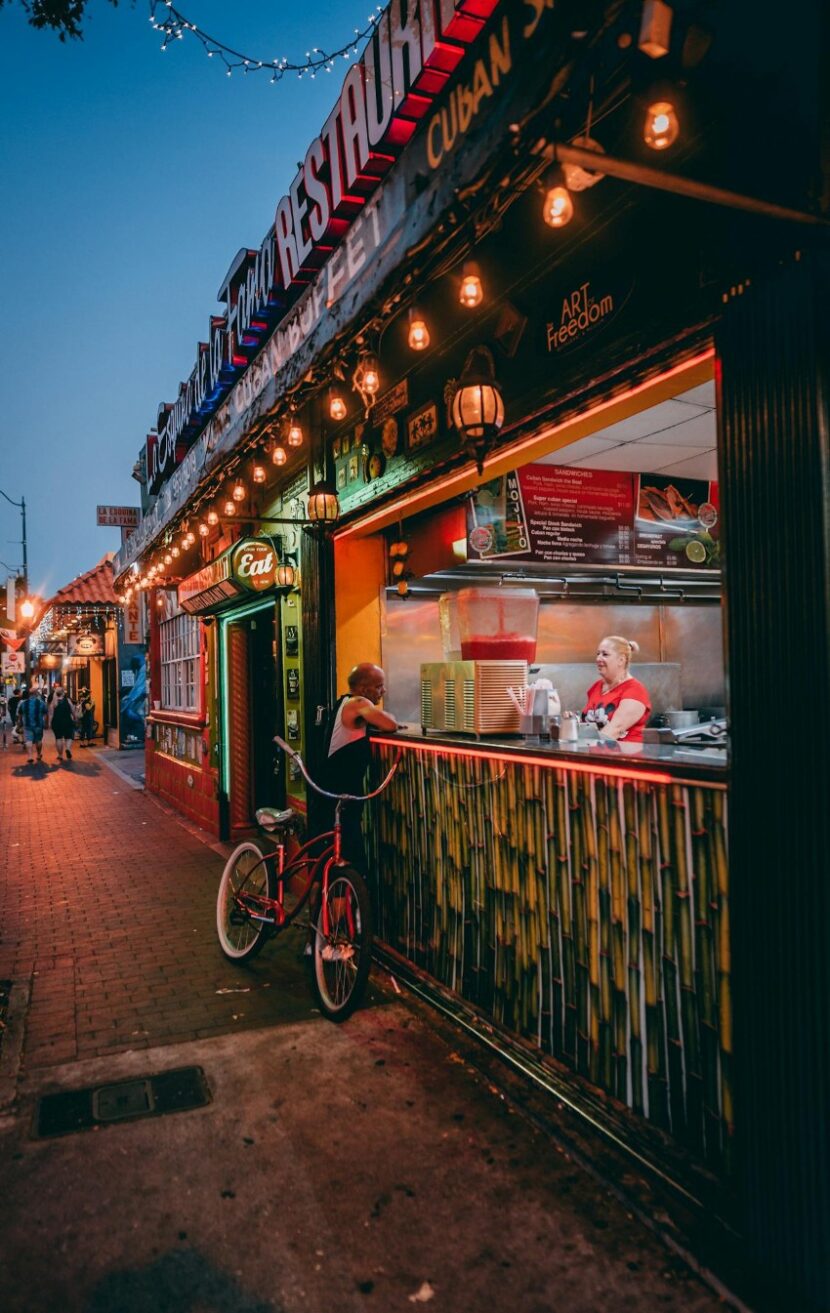
Miami’s food is more than flavor—it’s memory served on a plate. Immigrant communities brought recipes that became staples of the city’s identity. A Cuban sandwich recalls family cafés, while Haitian griot carries stories of resilience. Colombian arepas and Nicaraguan vigorón reflect the diversity of those who call Miami home. Dining here means tasting centuries of migration and adaptation. Food becomes a direct bridge between the city’s modern energy and its forgotten eras.
Festivals That Keep History Alive
Miami’s festivals ensure its stories are not forgotten. Art Deco Weekend in South Beach celebrates the architecture that shaped an era, with parades and performances recreating the glamour of the 1930s. Calle Ocho Festival brings together music, food, and dance to honor Cuban heritage. Even contemporary music festivals carry hints of the past, reflecting the city’s tradition of blending cultures. These events prove that history lives most vividly in celebration.
Forgotten Spaces, Modern Energy
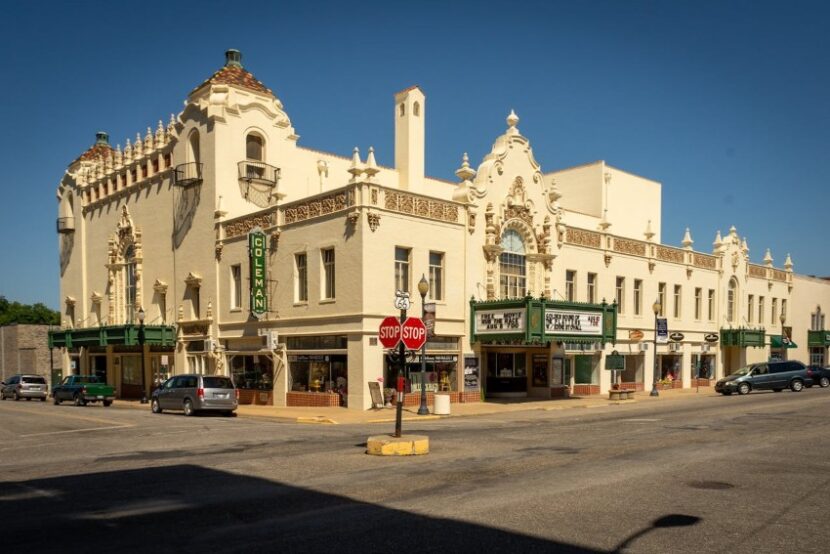
Abandoned theaters, reimagined warehouses, and historic hotels tell Miami’s evolving story. Many have been restored, serving as cultural centers, creative venues, or boutique spaces. The Olympia Theater downtown, for example, still stands as a monument to Miami’s cinematic golden age. These spaces show that forgotten places can adapt, allowing history to breathe through modern energy. They remind visitors that Miami is always balancing memory with reinvention.
Experiencing Miami’s Forgotten Eras Today
Miami shines as a modern city, but its power lies in its memory. From art deco facades to Cuban cafés, from indigenous stories to jazz rhythms, each layer adds richness to the traveler’s experience. By experiencing Miami’s forgotten eras, visitors uncover not just a destination but a timeline. Miami becomes more than beaches and nightlife—it becomes a living archive of cultures, traditions, and resilience that continue to shape its future.