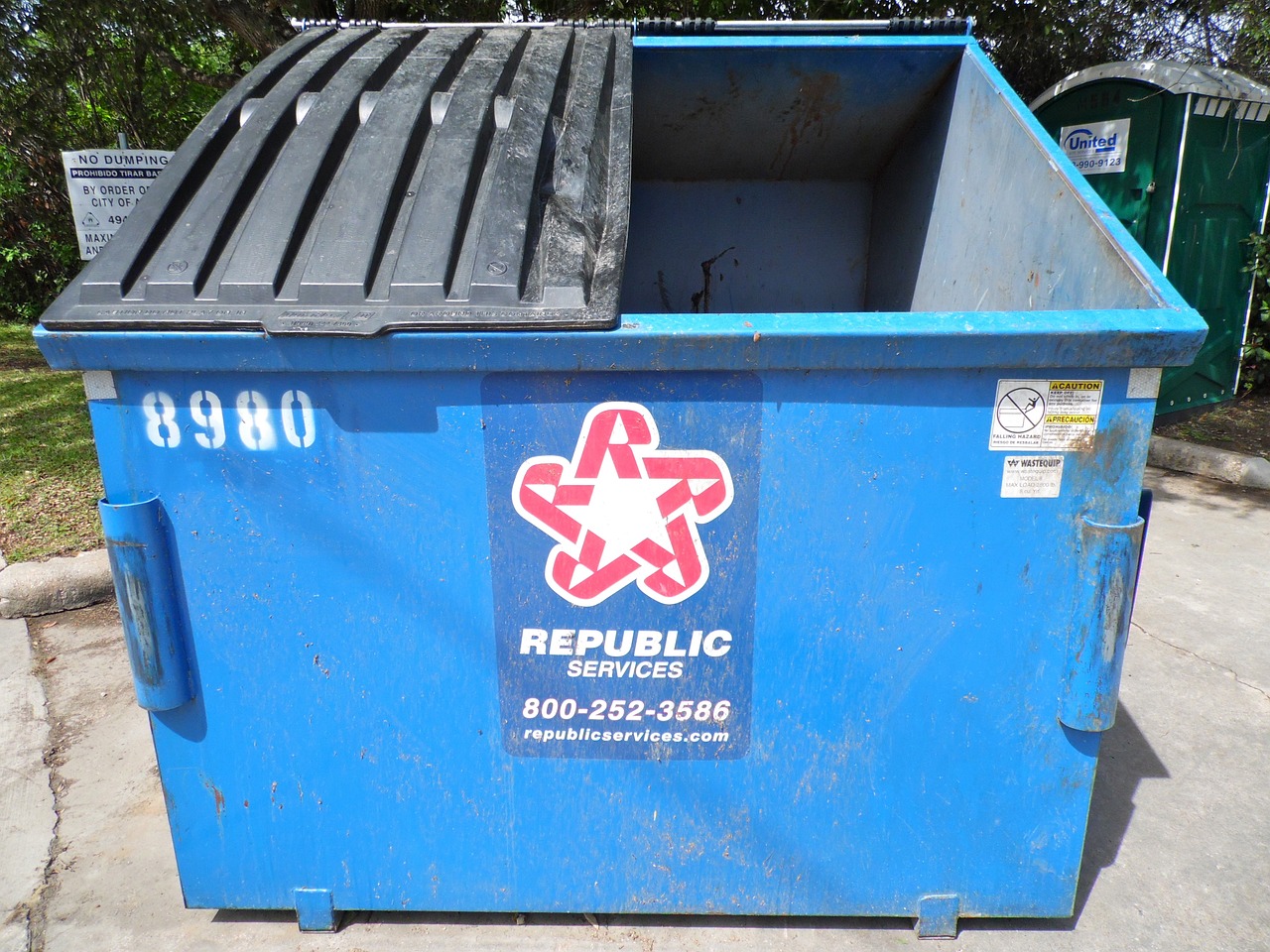
Large commercial construction projects require precision, coordination, and strategic planning. From scheduling subcontractors to managing materials and meeting strict deadlines, every detail matters. One critical—but often overlooked—aspect of commercial build planning is waste management. Specifically, how and where dumpsters are staged throughout the project can significantly impact efficiency, safety, and costs.
Dumpster staging isn’t just about having a place to toss debris—it’s about integrating waste removal into the overall construction workflow. When done right, it keeps job sites organized, reduces downtime, and supports smooth progress from groundbreaking to completion.
What Is Dumpster Staging?
Dumpster staging refers to the strategic placement and scheduling of dumpsters on a construction site to optimize workflow and minimize disruptions. In large commercial builds, where multiple crews and phases overlap, proper dumpster staging ensures that waste disposal doesn’t become a bottleneck.
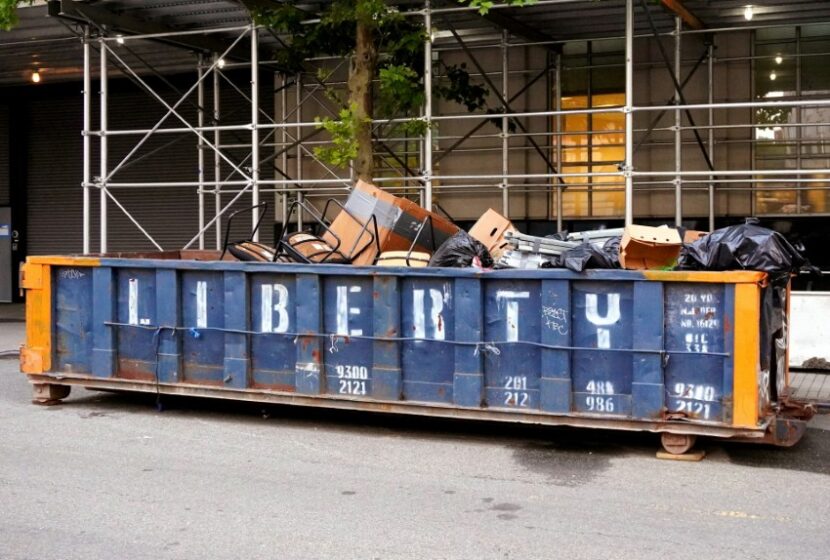
Instead of placing one or two dumpsters randomly on-site, contractors plan their locations, sizes, and pickup schedules based on the project’s layout and timeline. This proactive approach prevents clutter, reduces safety hazards, and helps teams work more efficiently.
Why Dumpster Staging Matters in Commercial Construction
1. Keeps the Job Site Organized
Commercial builds generate massive amounts of debris—concrete, metal, wood, drywall, and packaging materials. Without a clear waste management plan, these materials can quickly take over valuable workspace.
Proper dumpster staging ensures that each area of the site has convenient access to disposal containers. Workers can quickly discard waste without leaving their work zones, keeping the site clean and operations running smoothly.
2. Improves Safety and Accessibility
A cluttered construction site is a safety risk. Loose materials and debris can cause trips, falls, and other accidents. By strategically placing dumpsters near high-traffic areas, you minimize the need for workers to carry heavy or awkward materials long distances.
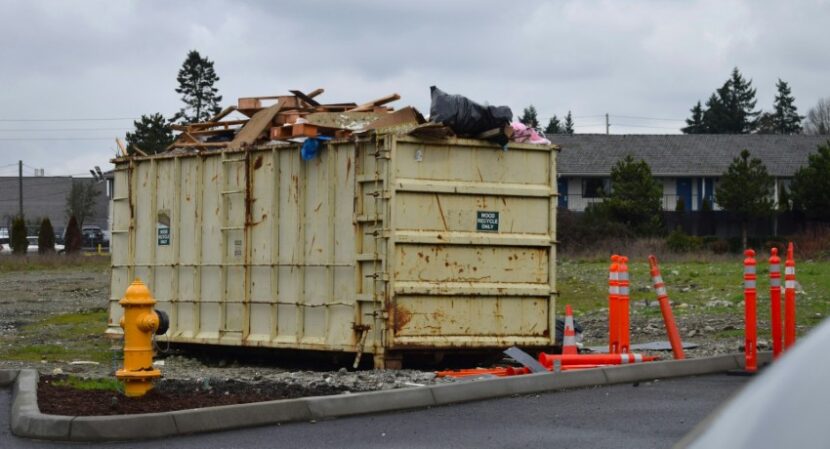
Additionally, staging dumpsters away from equipment paths and delivery zones reduces the risk of collisions and ensures that trucks and machinery can move freely.
3. Enhances Efficiency and Saves Time
Every minute counts on a commercial build. When dumpsters are properly staged, crews spend less time walking back and forth to dispose of waste. This seemingly small improvement can translate into significant time savings over the course of a large project.
A well-planned construction dumpster rental schedule also ensures that dumpsters are swapped out before they overflow, preventing work stoppages and delays.
4. Supports Multi-Phase Projects
Large commercial builds often progress in phases—demolition, foundation work, framing, finishing, and landscaping. Each phase produces different types of waste, and the needs of the site change accordingly.
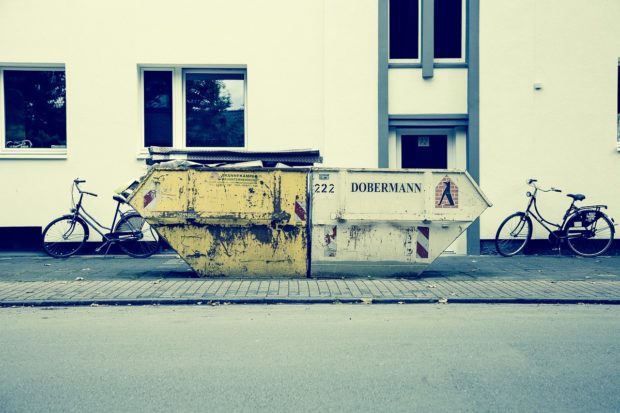
Dumpster staging allows project managers to adjust container placement and size as the build evolves. For example, during demolition, larger dumpsters may be needed near the building site, while smaller containers can be used later for interior finishing materials.
5. Reduces Costs and Environmental Impact
Efficient dumpster staging helps control costs by minimizing unnecessary hauls and optimizing container use. It also makes recycling easier—by designating specific dumpsters for recyclable materials like metal or concrete, contractors can reduce landfill waste and comply with environmental standards.
Working with an experienced provider like Temporary Dumpster ensures that your waste management plan aligns with both your budget and your sustainability goals.
Best Practices for Dumpster Staging
1. Conduct a Site Assessment
Before work begins, evaluate the site layout, access points, and workflow patterns. Identify where dumpsters should be placed to serve each crew efficiently while avoiding congestion.
2. Plan for Flexibility
Construction sites are dynamic environments. As the project progresses, you may need to move or swap dumpsters. Choose a rental provider that offers flexible scheduling and quick turnaround times.
3. Use the Right Dumpster Sizes
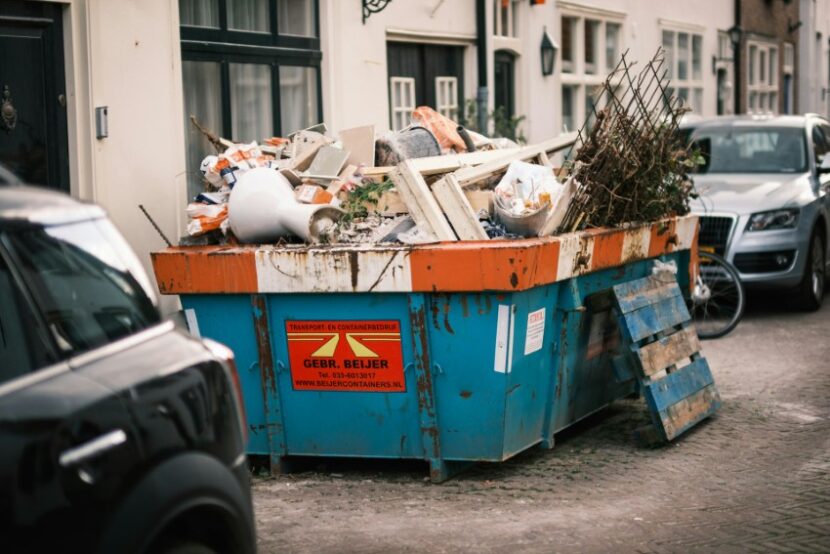
Different stages of construction require different container capacities. Having a mix of dumpster sizes available ensures you can handle various waste types without overpaying for unused space.
4. Communicate with Crews
Make sure all teams know where dumpsters are located and what materials go in each one. Clear signage and communication prevent contamination and keep waste streams organized.
Streamlining Commercial Builds with Smart Dumpster Planning
Dumpster staging might not be the most glamorous part of a large commercial build, but it’s one of the most important for maintaining efficiency and safety. A well-thought-out waste management plan keeps your site running smoothly, your crews productive, and your project on schedule.
By partnering with a trusted provider like Temporary Dumpster, contractors can take the guesswork out of waste management. With flexible rental options, prompt delivery, and expert guidance, you can ensure your dumpster staging strategy supports every phase of your build—from the first load of debris to the final cleanup.