Moving to Connecticut often surprises newcomers because of two completely different Connecticuts that exist within one small state. Coastal towns and inland communities operate with distinct rhythms, priorities, and daily habits. These differences affect housing, work routines, social life, and long-term planning. People who research only one region often feel unprepared after arrival. A clear comparison helps reduce stress and prevent costly mistakes. It also helps families align their expectations with reality. This guide explains how each region shapes daily living and long-term stability.
Coastal Lifestyle and Waterfront Living
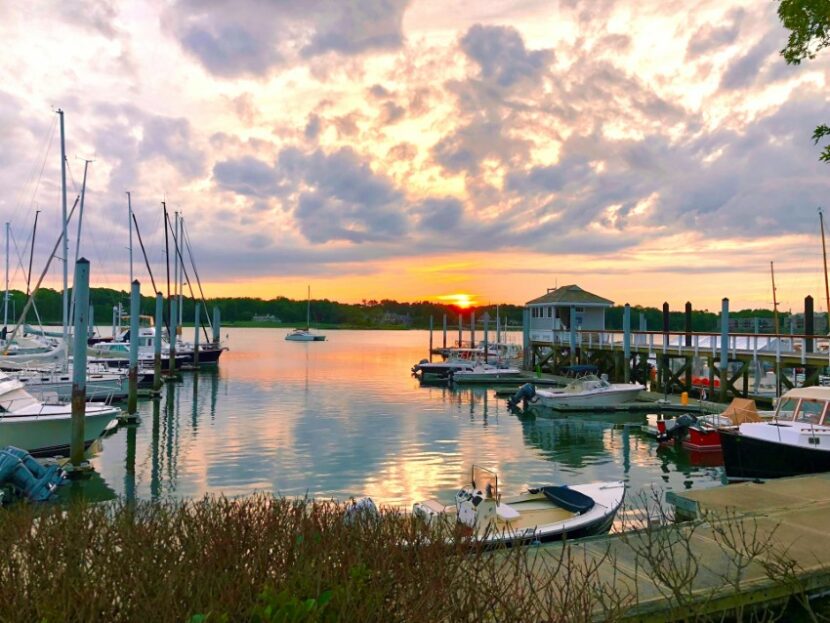
Life near the coast centers strongly on waterfront living and access to Long Island Sound. Many residents plan their schedules around tides, boating seasons, and shoreline events. Morning walks often include ocean views and marina activity. Restaurants often focus on seafood and capitalize on seasonal tourism traffic. Property values stay high because water access remains limited. Homeowners also face higher insurance and maintenance costs due to salt exposure. These factors influence both budgets and daily routines.

Finding Your Ideal Community
Many inland communities appeal to people who want space, privacy, and strong local ties. To make the right choice, buyers must carefully evaluate the pros and cons of living in small Connecticut towns. Smaller populations often create stronger social connections and safer neighborhoods. At the same time, limited shopping and entertainment options require more travel. Local governments usually maintain close relationships with residents. School systems often depend on community involvement. These elements shape long-term satisfaction.
Climate and Weather Differences Between Regions
Coastal and inland areas experience different weather patterns throughout the year. Shoreline towns benefit from ocean breezes that moderate summer heat. Winters near the water often feel milder but wetter. Inland towns face colder winters and heavier snowfall. Heating costs usually rise farther from the coast. Storm preparation also differs between regions. Understanding these patterns helps families plan for safety and energy expenses.
Housing Markets and Smart Financial Preparation
Housing prices vary sharply across Connecticut’s regions. Coastal homes often command premium prices due to location and limited inventory. Inland towns usually offer larger properties at lower costs. Buyers who want to make relocation more affordable often consider inland options first. Property taxes also differ based on municipal budgets. Renovation costs may rise near the coast due to weather exposure. Careful budgeting protects long-term financial health.

Employment Opportunities and Industry Access
Job markets differ based on geography and infrastructure. Coastal areas attract finance, tourism, and marine-related industries. Proximity to New York City creates additional commuting opportunities. Inland towns focus more on manufacturing, healthcare, and education. Remote work has expanded options for both regions. Career growth often depends on regional networks. Employment planning should match lifestyle goals.
Transportation in Two Completely Different Connecticuts
Transportation highlights how two completely different Connecticuts function each day. Shoreline residents rely heavily on rail lines for regional commuting. Train access supports daily travel to major cities. Inland residents depend more on personal vehicles. Public transit options remain limited away from the coast. Traffic patterns also vary by season and tourism levels. Reliable transportation shapes work-life balance.

Education Systems and School Access
School quality remains a major factor for relocating families. Coastal districts often benefit from higher tax bases. This funding supports facilities and specialized programs. Inland districts rely more on state support and community fundraising. Class sizes may differ between regions. Parent involvement plays a major role everywhere. Researching district performance helps families plan ahead.
Community Life and Reasons to Explore a New City
Community culture shapes how residents form friendships and routines. Coastal towns host seasonal festivals and marina gatherings. Inland communities focus more on local fairs and school events. New residents often join clubs to explore a new city and meet neighbors. Libraries and recreation centers serve as social hubs. Volunteer programs strengthen community ties. These networks support emotional stability after moving.
Healthcare Access and Medical Services
Healthcare availability varies by region and population density. Coastal towns benefit from proximity to major hospital networks. Inland residents may travel farther for specialized care. Primary clinics operate in most communities. Emergency response times depend on location and staffing. Telemedicine helps reduce travel burdens. Access planning supports long-term well-being.
Recreation and Outdoor Activities
Outdoor options differ based on geography and climate. Coastal residents enjoy sailing, kayaking, and beach walking. Inland towns provide hiking, fishing, and forest trails. Seasonal sports attract both locals and visitors. Recreation programs often run through municipal departments. Access to green space improves mental health. These activities influence lifestyle satisfaction.

Cultural Life and Local Traditions
Connecticut maintains strong regional identities across its towns. Coastal communities preserve maritime traditions and historic ports. Inland towns celebrate agricultural and industrial heritage. Museums reflect local history and pride. Art programs depend on regional funding. Cultural events create shared experiences. These traditions shape community values.
Seasonal Tourism and Its Impact on Daily Life
Tourism plays a larger role in shoreline towns. Summer visitors increase traffic and business activity. Local economies depend on seasonal spending. Inland towns experience steadier population levels. Businesses operate year-round with fewer fluctuations. Residents adjust routines during peak seasons. Tourism affects housing availability and pricing.

Daily Routines in Practice
Daily life shows clearly how two completely different Connecticuts influence personal habits. Coastal residents often plan weekends around water access and weather forecasts. Inland residents focus more on yard care and commuting schedules. Shopping patterns also differ based on distance to major centers. Social gatherings reflect local traditions. Work hours adapt to travel demands. These routines shape long-term comfort.
Choosing Between Two Completely Different Connecticuts
Relocating within Connecticut requires an honest evaluation of priorities and resources. The contrast between shoreline and inland life reflects two completely different Connecticuts with distinct strengths. Coastal living offers scenic access and urban connections. Inland towns provide affordability and quieter environments. Each region supports different family structures and career paths. Detailed research reduces uncertainty and stress. Informed decisions create stability and long-term satisfaction.
Meta: Compare two completely different Connecticuts to choose between shoreline and inland living, housing costs, jobs, lifestyle, and community.