

Living in a smaller home or apartment can often feel like an impossible interior design challenge. How do you create a space that feels open and inviting while not making people feel too cramped because of a lack of walking space?
It’s true that limited square footage can quickly put a cap on certain interior design plans. You might have to scrap the idea of having a massive kitchen area or living room. Still, that doesn’t mean you’re out of options.
Even if you can’t have a big bathroom or walk-in closet, you can still make smart design choices that add value to living spaces and still have a great visual impact. And if you take the right approach, you’ll still be able to make your home feel significantly larger while increasing the utility of every room.
Here are several effective techniques you can use to maximize your square footage, regardless of the size of your home.
Using Furniture That Serves Multiple Purposes
The type of furniture you select for your home plays a big part in creating your unique living style. In a smaller space, however, every single item you place should have a purpose and add to the home’s overall functionality.
The best way to ensure this is the case is by investing in furniture designed for multiple uses.
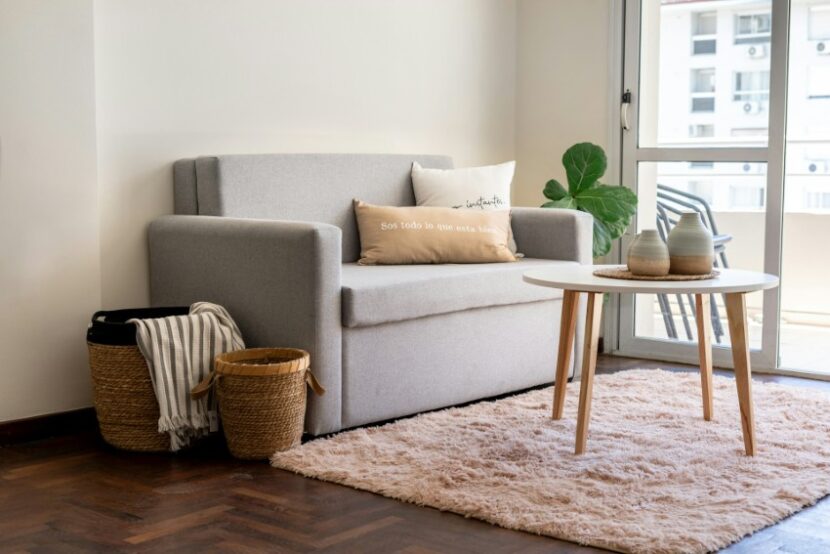

When your furniture can pull double duty, you get so much more use out of every room. A few great examples of this include:
- Convertible Seating: Think about a sofa or daybed in the living room that easily converts into a bed for guests. Your living room can now double as a temporary guest room.
- Modular Tables: Nesting tables are a classic for a reason. You can pull them out when people are over and then tuck them away neatly when the party’s done.
- Pop-Up Workspaces: A desk that folds down from a wall or even the back of a door gives you a dedicated spot to work or get other important things done, then disappears when you’re finished.
Making the Most of All Your Wall Space
When you’re trying to get the most out of a room, it’s natural to focus on the floor plan. You might be rightly concerned with arranging furniture for the best flow without blocking walkways.
But while you’re doing that, it’s important to look up and make sure you’re using the full height of the rooms you’re in.
Using your vertical space strategically accomplishes two key goals. First, it creates new storage and display areas. Second, it protects your valuable floor space.
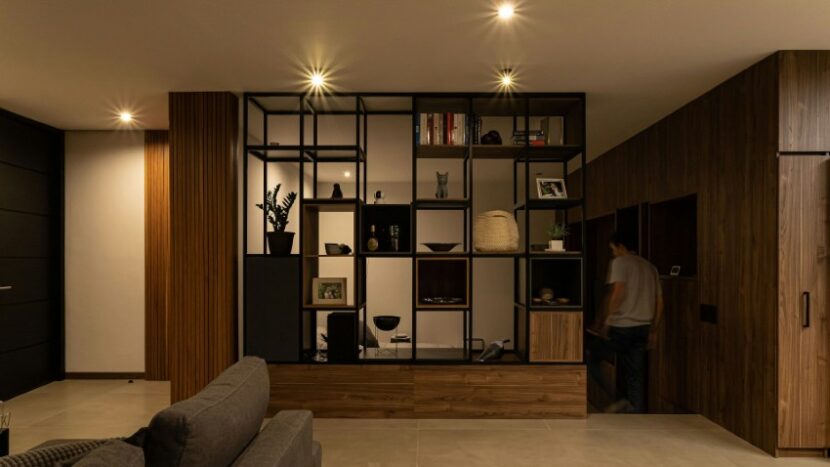

On top of this, design features that emphasize height naturally draw the eye upward, which goes a long way in making the whole room feel more spacious.
A couple of great ways to do this are to install taller, narrow shelving units that go all the way from the floor to the ceiling, or close to it. Another option is to mount floating wall ledges a bit higher than you might normally. This provides a great surface for photos or mementos and is a perfect spot for houseplants to add a splash of color and greenery to a room.
Installing Smart Lighting Features
The way you use lighting is an essential part of any interior design, and it can dramatically change the look and feel of any room you’re in.
When deciding on different fixtures, the most important rule to remember is that you should be layering your lighting. Try to avoid just relying on a single, central ceiling fixture. This approach often creates harsh shadows and can accidentally make a room feel more closed-in than it really is.
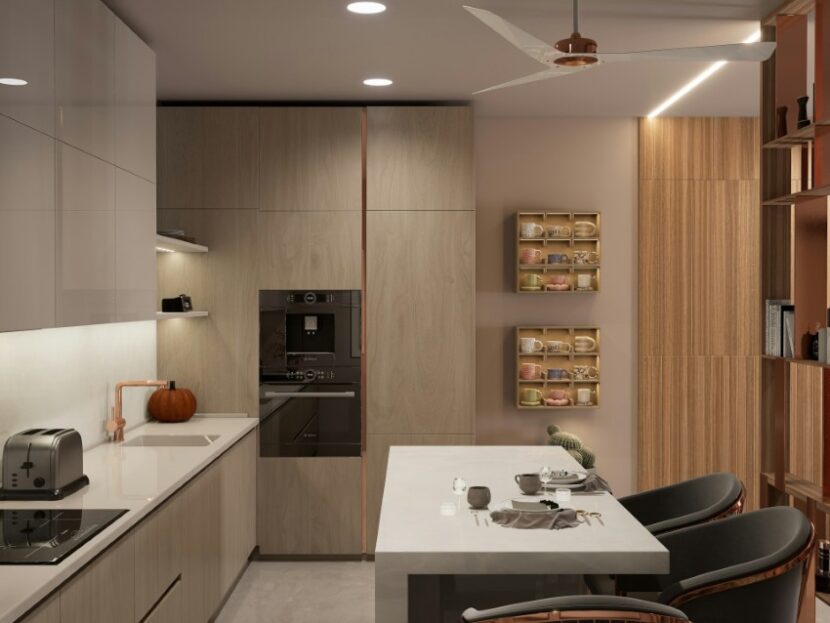

Your lighting preferences will also likely change based on the room’s function. For example, in a kitchen, you’ll want to make sure you have brighter, task-focused lighting in the main prep zones. You could then consider adding softer or dimmable lighting under the wall cabinets.
By including both strong and subtle lighting options in every space, you get way more flexibility in how you use each room in your home.
Placing Mirrors In Optimal Locations
Mirrors are incredibly versatile, and they’re often used in smaller homes for a reason. Incorporating mirrors is a great technique for brightening a room by bouncing natural light around. This, in turn, makes the space look and feel significantly larger.
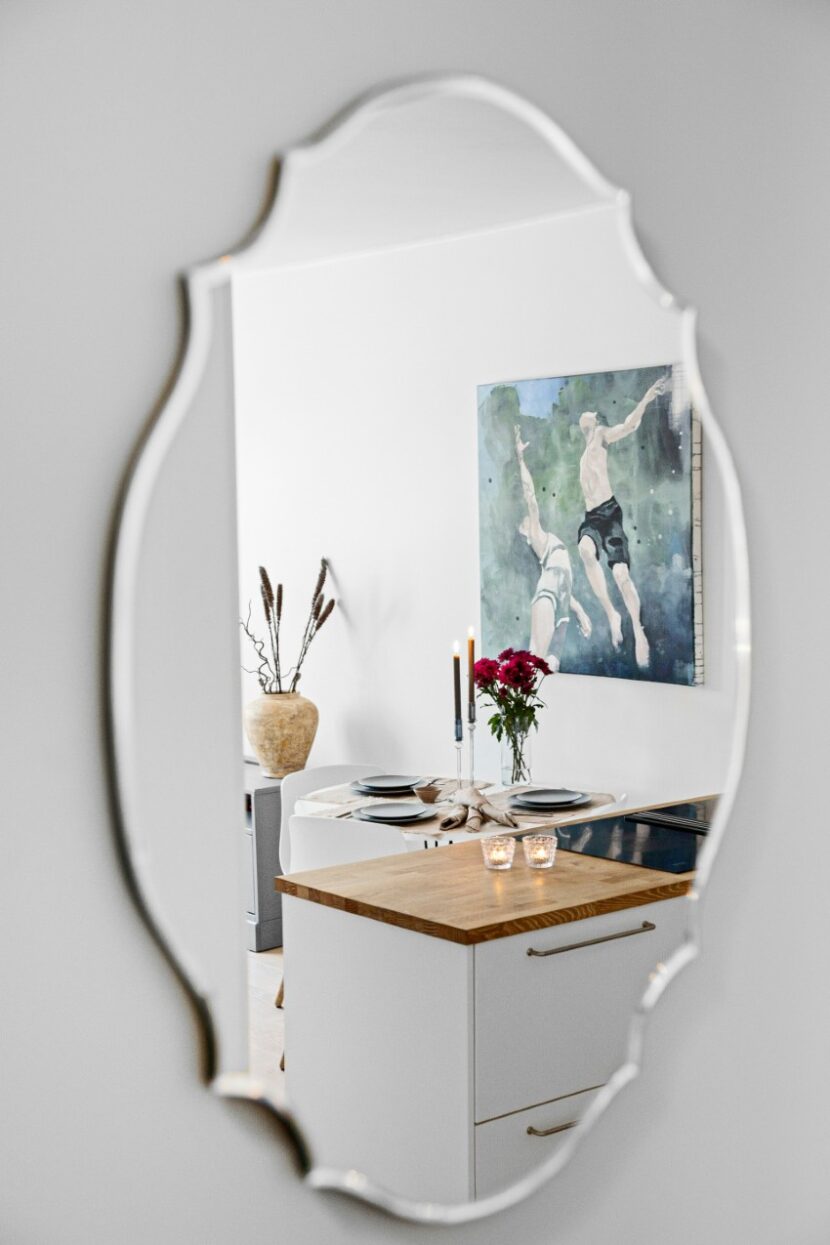

Mirrors add a convincing sense of extra dimension and can cut down on the need for adding too much bright, artificial lighting, which can cause eye strain and headaches. A simple way to use these strategies is to mount a larger mirror on the main wall in your living room or another shared space. This will act almost like a second window and effectively “open up” the space.
Designing Much More Functional Storage
In smaller homes (and even larger ones), clutter is your number one enemy. If you try to fill too many areas with souvenirs and photos or select furniture pieces that don’t fit the scale of your home, you can quickly ruin the functionality of a space. You really want to avoid this at all costs.
The best way to prevent this is to look for ways to integrate smarter storage solutions into every area of the home. This doesn’t mean you need to start planning a custom home remodeling project. It’s more about finding clever and useful strategies to incorporate storage elements wherever possible, giving you more flexibility in terms of where and how you store your items.
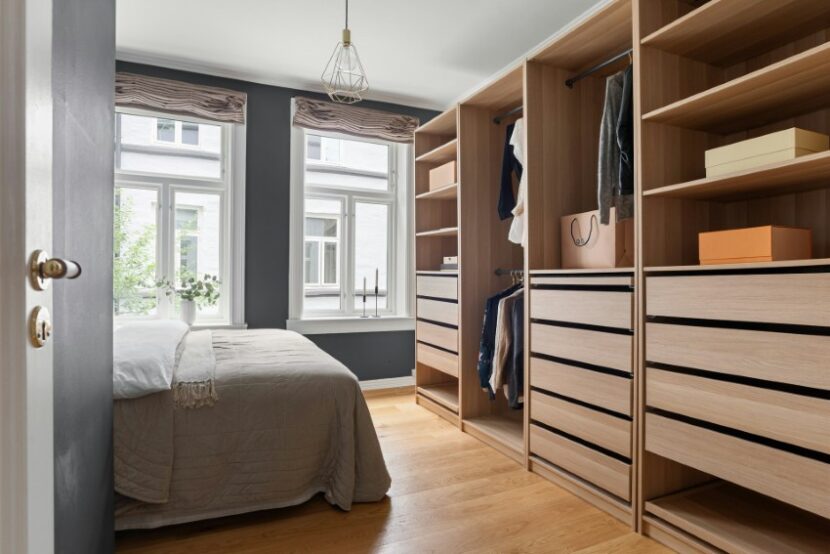
There are various ways to add extra storage without compromising the aesthetic appeal. For example, installing drawers under your bed frame or opting for an ottoman with a hidden compartment for storage are both excellent strategies that allow you to optimize your square footage while keeping everything out of sight.
Don’t Limit Your Creative Designs
The size of your home shouldn’t limit your ability to make the most of the space you have. By putting these strategies into practice, you can effectively improve all of your living spaces while making sure every room is more welcoming, practical, and represents your unique tastes.
Author Information
 |
Rebecca Denis is the Head of Interior Design at Revive Real Estate and an accomplished interior designer with over a decade of experience creating inspired, functional spaces. Known for her refined aesthetic and meticulous attention to detail, Rebecca brings creativity and strategy together to transform everyday interiors into meaningful experiences. She’s built a reputation for turning ideas into inspiring spaces that balance beauty, comfort, and function. Rebecca’s diverse portfolio includes commercial projects, curated show homes, and bespoke custom interiors—each reflecting her belief that thoughtful design can elevate how people live, work, and feel in a space. |
