Designing a home that caters to the needs of an entire family requires a thoughtful balance between comfort, practicality, and style. A well-designed living space should not only look appealing but also support everyday routines, encourage togetherness, and withstand the demands of busy household life. From furniture choices to layout planning, every decision plays a role in shaping a home that feels both welcoming and functional.
Whether you are choosing a dining table for shared meals, a storage unit for keeping essentials organised, or a leather lounge for relaxing and entertaining, each piece should contribute to a cohesive and comfortable environment that suits your family’s lifestyle.
Understanding the Needs of a Family-Friendly Home
A family-friendly home is designed with flexibility in mind. Different members of the household often have varying needs, which means the space must adapt to multiple activities throughout the day. From children playing to adults working or relaxing, the home should support these transitions without feeling cluttered or restrictive.
Creating a balance between style and usability is essential. While it is tempting to focus on visual appeal, functionality should always take priority. Choosing materials, layouts, and furniture that can handle daily wear and tear ensures the home remains practical over time.
How to Create a Stylish and Functional Family Home
Choosing Durable and Comfortable Furniture
Furniture in a family home must be both durable and comfortable. High-quality materials that resist stains, scratches, and general wear are ideal for maintaining a tidy appearance. At the same time, comfort should never be compromised, as these pieces are used daily for relaxation and social interaction.
Soft upholstery, sturdy frames, and easy-to-clean surfaces are all important considerations. Investing in well-made furniture not only enhances comfort but also reduces the need for frequent replacements, making it a practical long-term choice.
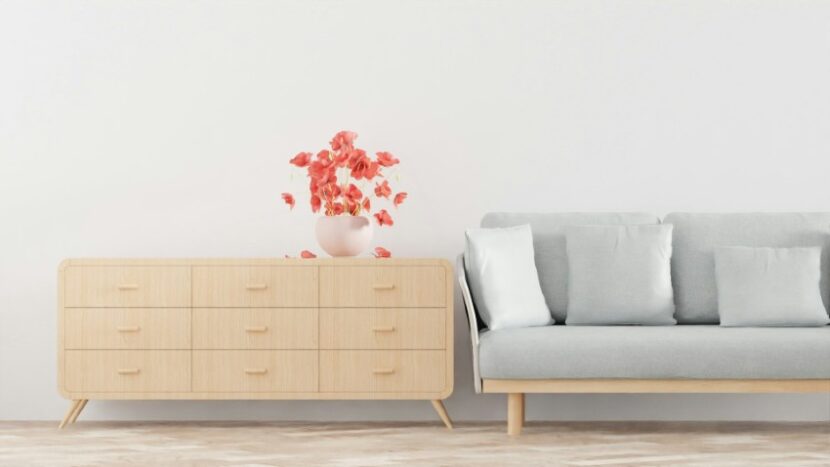
Maximising Space with Smart Layouts
Efficient use of space is one of the key elements of a functional family home. Open-plan layouts are particularly effective, as they create a sense of openness while allowing different activities to take place simultaneously. These layouts also make it easier to supervise children while managing other tasks.
Zoning different areas within a room can help maintain order. For example, a living area can include a designated play corner, a reading space, and a seating area for relaxation. This approach ensures that each part of the home serves a clear purpose without feeling overcrowded.
Multi-Functional Furniture for Modern Living
Modern family homes benefit greatly from furniture that serves more than one purpose. Multi-functional pieces help maximise space while adding convenience to daily life. This is especially useful in homes where space needs to be utilised efficiently.
For instance, when selecting furniture for a living room or guest area, it is worth considering options that can adapt to different needs. Whether you are choosing a modular seating arrangement or sofa beds for Perth homes, these versatile pieces allow you to accommodate guests while maintaining a comfortable everyday setup.
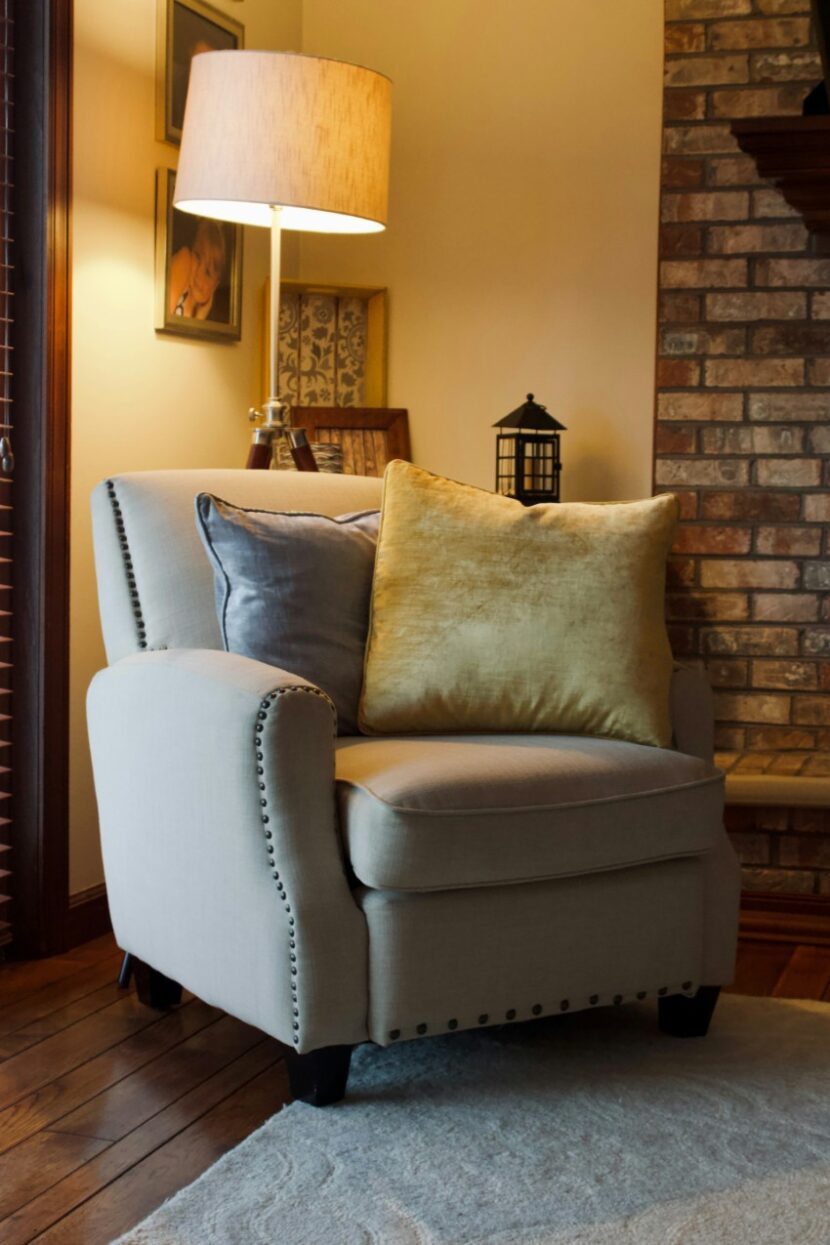
Safety Considerations in Home Design
Safety is a crucial aspect of family-friendly design. Homes should be arranged in a way that minimises risks and provides a secure environment for all members, especially young children. Rounded furniture edges, stable structures, and non-slip flooring are simple yet effective ways to enhance safety.
Proper storage solutions also play a role in reducing hazards. Keeping potentially dangerous items out of reach and ensuring pathways remain clear helps prevent accidents while maintaining a tidy living space.
Designing for Long-Term Flexibility
Family needs change over time, which makes flexibility an important factor in home design. Spaces that can adapt to different stages of life provide lasting value and convenience. A room that serves as a play area today may become a study or workspace in the future.
Choosing furniture and layouts that can evolve with your family ensures the home remains functional for years to come. This forward-thinking approach reduces the need for major changes while supporting a dynamic lifestyle.
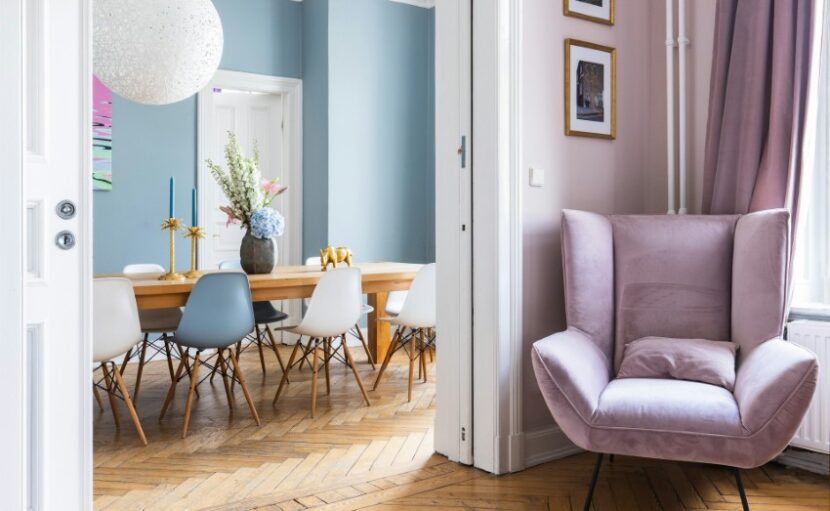
Conclusion
Creating a family-friendly home involves more than just selecting attractive furniture or following design trends. It requires a thoughtful approach that prioritises comfort, functionality, and adaptability. By focusing on durable materials, efficient layouts, and versatile furniture, it is possible to design a space that meets the needs of every family member.
A well-designed home supports daily routines, encourages connection, and provides a comfortable environment for all. With careful planning and smart choices, any space can be transformed into a practical and welcoming home that grows alongside your family.
Frequently Asked Questions
What defines a family-friendly home design?
A family-friendly home design focuses on creating spaces that are safe, practical, and comfortable for all household members. It prioritises functionality alongside aesthetics, ensuring that each area of the home supports daily routines.
How can comfort be improved in a family home without compromising style?
Comfort can be enhanced by selecting soft furnishings, supportive seating, and natural textures that create a warm and inviting atmosphere. A thoughtful combination of practical and visually appealing elements ensures that the home feels both stylish and liveable.
What type of furniture works best in a family-friendly living space?
Furniture that is durable, easy to clean, and multi-functional works best in family environments. Furniture that combines comfort with practicality ensures long-term usability while supporting everyday household activities.
Why is flexible design important in family homes?
Flexible design allows a home to adapt as family needs change over time. This adaptability ensures long-term functionality and reduces the need for frequent renovations, making the home more practical and future-ready.
How can a home remain both practical and visually appealing?
A home can achieve both practicality and visual appeal by balancing function with design. Thoughtful design choices help create a home that is both beautiful and easy to live in.