Vertical blinds are workhorses. They cover wide windows and patio doors that few other treatments can manage, and they last for years. But the fabric slats are the part that shows wear first — sun-bleached, frayed at the bottom weights, or a couple snapped after one too many encounters with a curious pet or a gust through an open door. The instinct is to replace the lot. Usually, you don’t need to.
You can swap just the slats
The headrail — the mechanism along the top — is the expensive, durable component, and it almost always outlives the fabric. The slats simply hook on and off. That means you can buy vertical blind replacement slats to fit your existing track, clip them in, and have what looks like a brand-new blind for a fraction of the cost of a full replacement. It takes minutes and no tools.
How to measure and match
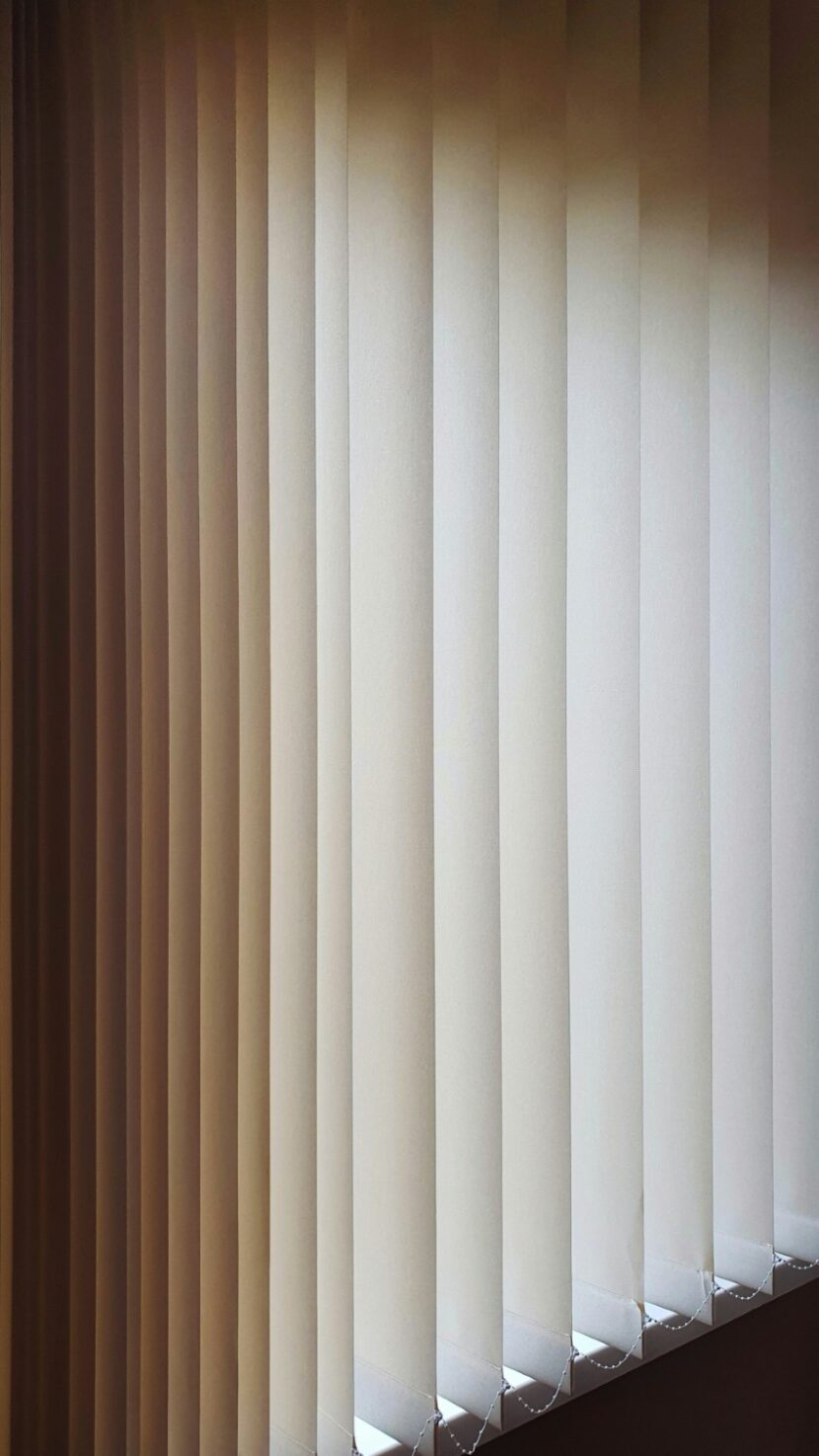
Take an old slat down and measure its width and length, and count how many you need across the track. Most systems use a standard 89mm slat, but it is worth checking. Buying a few spares is sensible — it means a future breakage is a five-minute fix rather than another whole project.
Upgrade the fabric while you’re at it
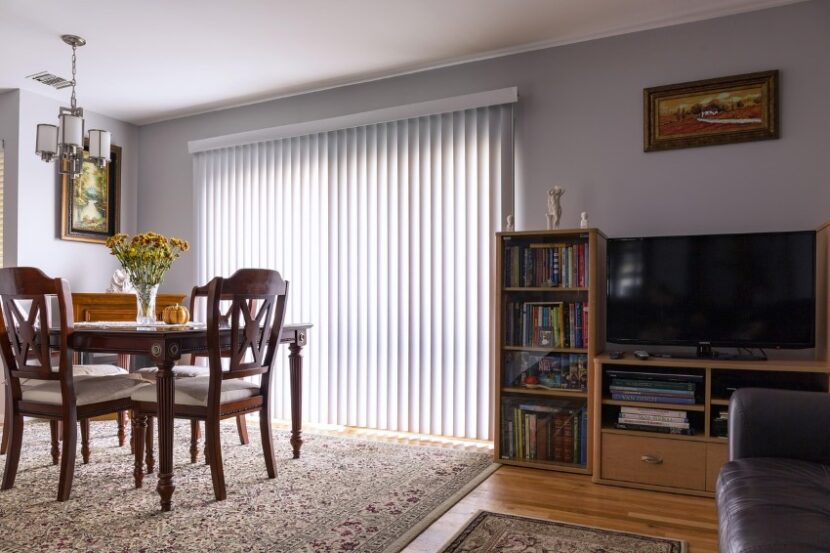
A slat swap is also a chance to improve, not just restore. If the window is in a bedroom or faces a low evening sun, choose blackout vertical slats — many ranges in a blackout vertical blinds collection are also waterproof and wipe-clean, which makes them brilliant for kitchens and bathrooms as well as bedrooms. You get a refresh and a performance upgrade in one go.
Or rethink the window entirely
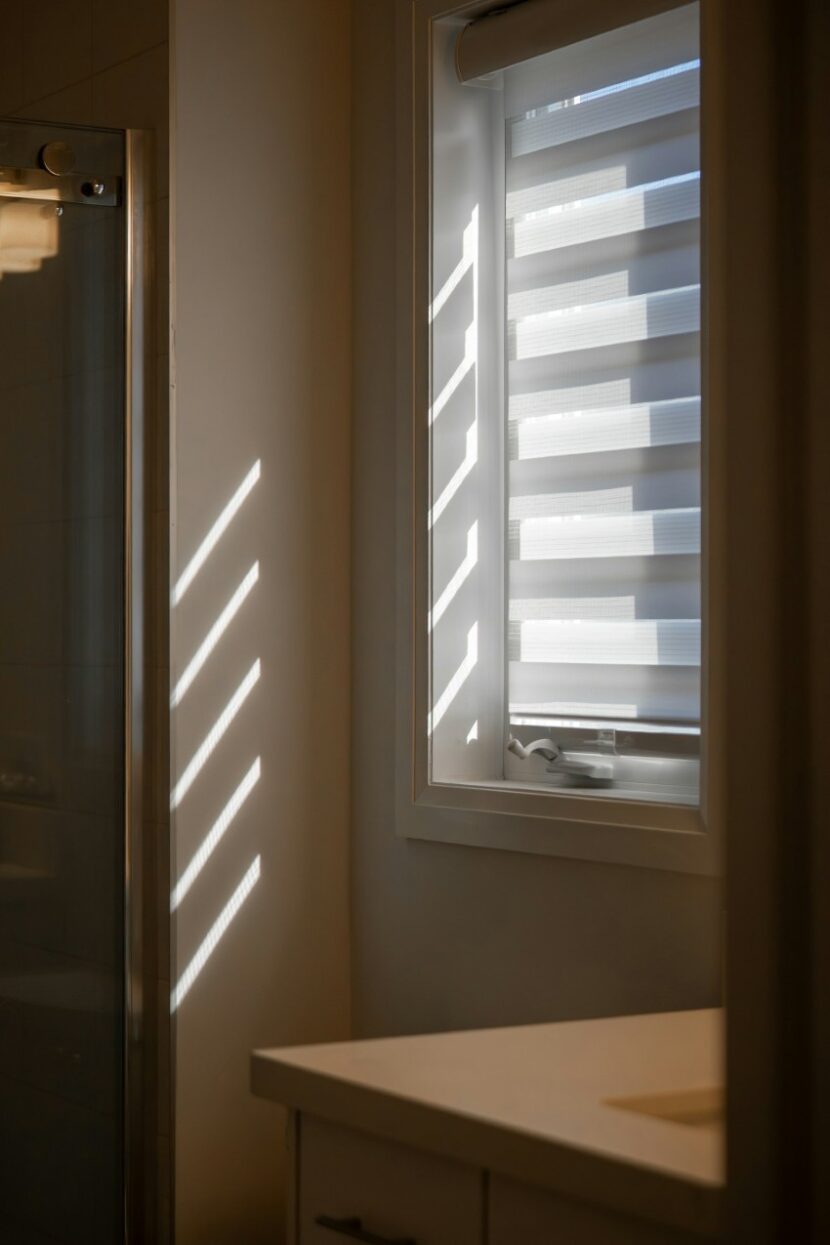
If the verticals never quite suited the room, a refresh is the moment to reconsider. On a living-room or patio window where you want flexible light through the day, day & night blinds offer a more modern, adjustable alternative — sliding between sheer and solid to control glare and privacy without removing the view. Keep the verticals where they work best, and switch where they don’t.
Small fix, big difference
Keep them working for longer
A little routine care makes a slat swap a rare event rather than an annual chore. Run the vanes shut and wipe them down with a dry microfibre cloth every few weeks to stop dust building into grime, and check the bottom chain and connecting links occasionally, since a tangled chain is the usual culprit behind a slat that twists or refuses to sit straight. In sunny rooms, rotating the blind so it does not always rest in the same open position helps the fabric fade evenly rather than developing a hard line. Keep doors and windows from slamming the slats around in a draught, and steer pets away from the bottom edge, which is where most damage starts. Do that, and a good headrail will outlast several sets of slats — which is exactly why being able to replace the fabric alone is such a sensible, sustainable way to keep a window looking its best.
Before you write off a tired set of blinds, look at what’s actually worn. Nine times out of ten it’s just the slats, and replacing those is one of the cheapest, fastest home refreshes there is. A few new slats, or a smarter fabric, and a window that looked shabby for years feels considered again.